
Top Benefits of Traditional Japanese Martial Arts for Children
Introduction to Traditional Japanese Martial Arts
Traditional Japanese martial arts offer a unique blend of physical activity, mental discipline, and cultural education. These practices are not only about self-defense but also about cultivating a balanced life. For children, learning martial arts like Karate, Judo, or Aikido can be incredibly beneficial.
Physical Fitness and Health Benefits
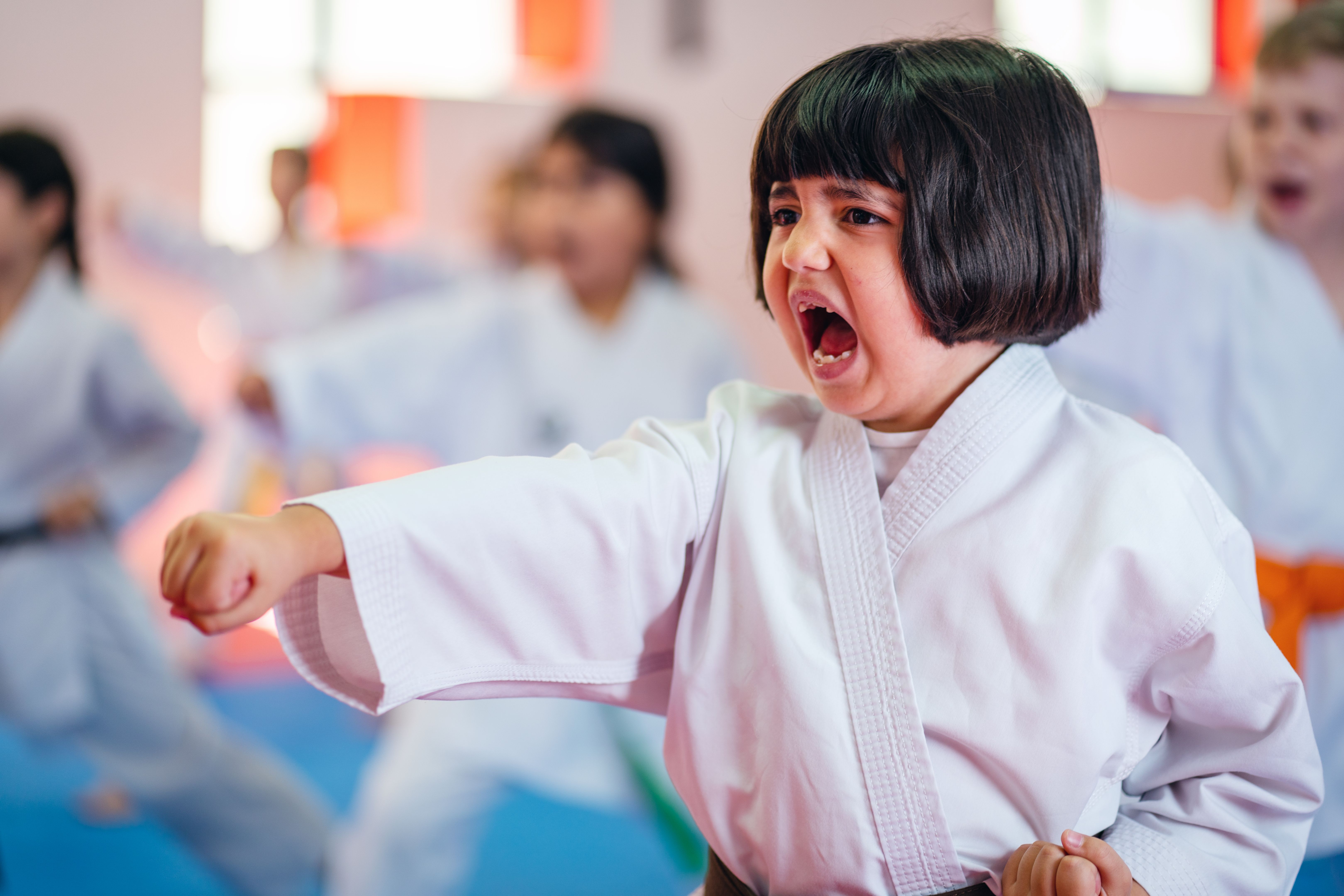
One of the most obvious benefits of martial arts is the improvement in physical fitness. Children engage in activities that enhance flexibility, strength, and coordination. Regular practice can lead to better health, helping to reduce the risk of obesity and related health issues.
Moreover, martial arts provide a full-body workout. Kids develop endurance and stamina, which can improve their performance in other sports and daily activities.
Mental Discipline and Focus
Martial arts require concentration and self-control, teaching children how to focus their energy and attention. This mental discipline can translate into better performance in school and improved behavior at home.
Practicing martial arts encourages goal-setting and perseverance. Children learn to overcome challenges and setbacks, building resilience and a positive mindset.
Building Confidence and Self-Esteem
As children progress in martial arts, they gain confidence from mastering new techniques and earning belts or ranks. This boost in self-esteem can positively impact other areas of their lives, from academics to social interactions.
Martial arts instill a sense of achievement and pride. Kids learn to appreciate their progress and understand that success comes from consistent effort.
Learning Respect and Discipline
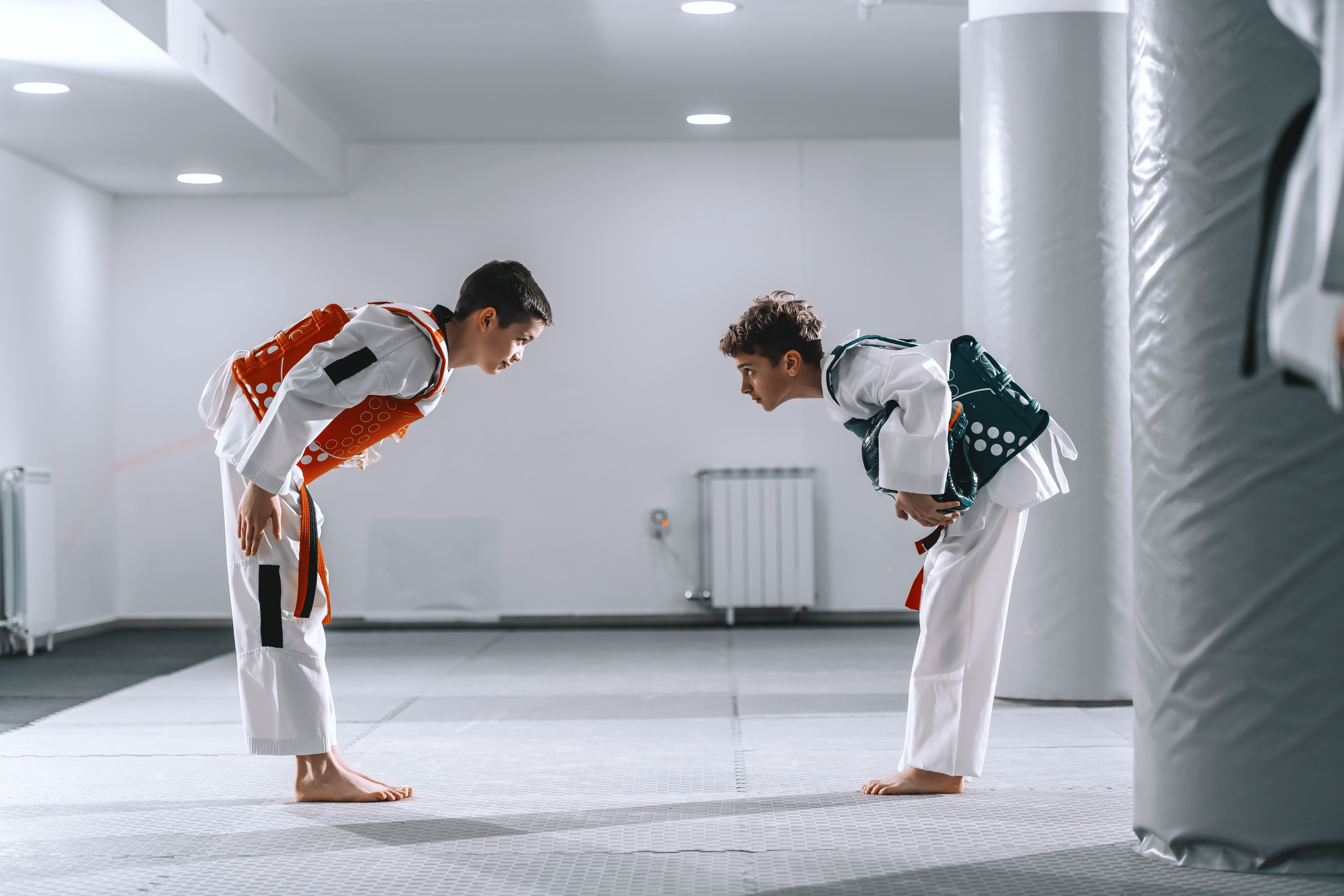
Traditional Japanese martial arts emphasize respect for instructors, peers, and oneself. Children learn the importance of discipline, courtesy, and humility, which are core values in these practices.
This respect and discipline extend beyond the dojo, fostering positive relationships and a respectful attitude towards others.
Enhancing Social Skills
Martial arts classes provide a supportive community where children interact with peers who share similar interests. This environment helps them develop social skills, teamwork, and friendships.
Children learn to communicate effectively, support each other, and work together toward common goals, enhancing their social development.
Cultural Appreciation
Engaging in traditional Japanese martial arts offers children a glimpse into Japanese culture and philosophy. They learn about the history and traditions behind the practice, fostering a broader cultural appreciation and understanding.
Through this exposure, children develop a greater respect for diversity and global perspectives.
Conclusion
Traditional Japanese martial arts provide a holistic approach to child development, blending physical fitness, mental discipline, and cultural education. By enrolling children in martial arts classes, parents can support their growth in a multifaceted way, preparing them for future challenges.