
Myth-Busting: Common Misconceptions About Traditional Martial Arts
The Truth About Traditional Martial Arts
When it comes to traditional martial arts, myths and misconceptions abound. Whether it's from movies, television shows, or simply word of mouth, these misunderstandings can paint an inaccurate picture of what these disciplines truly offer. In this blog post, we'll explore some of the most common misconceptions and set the record straight.
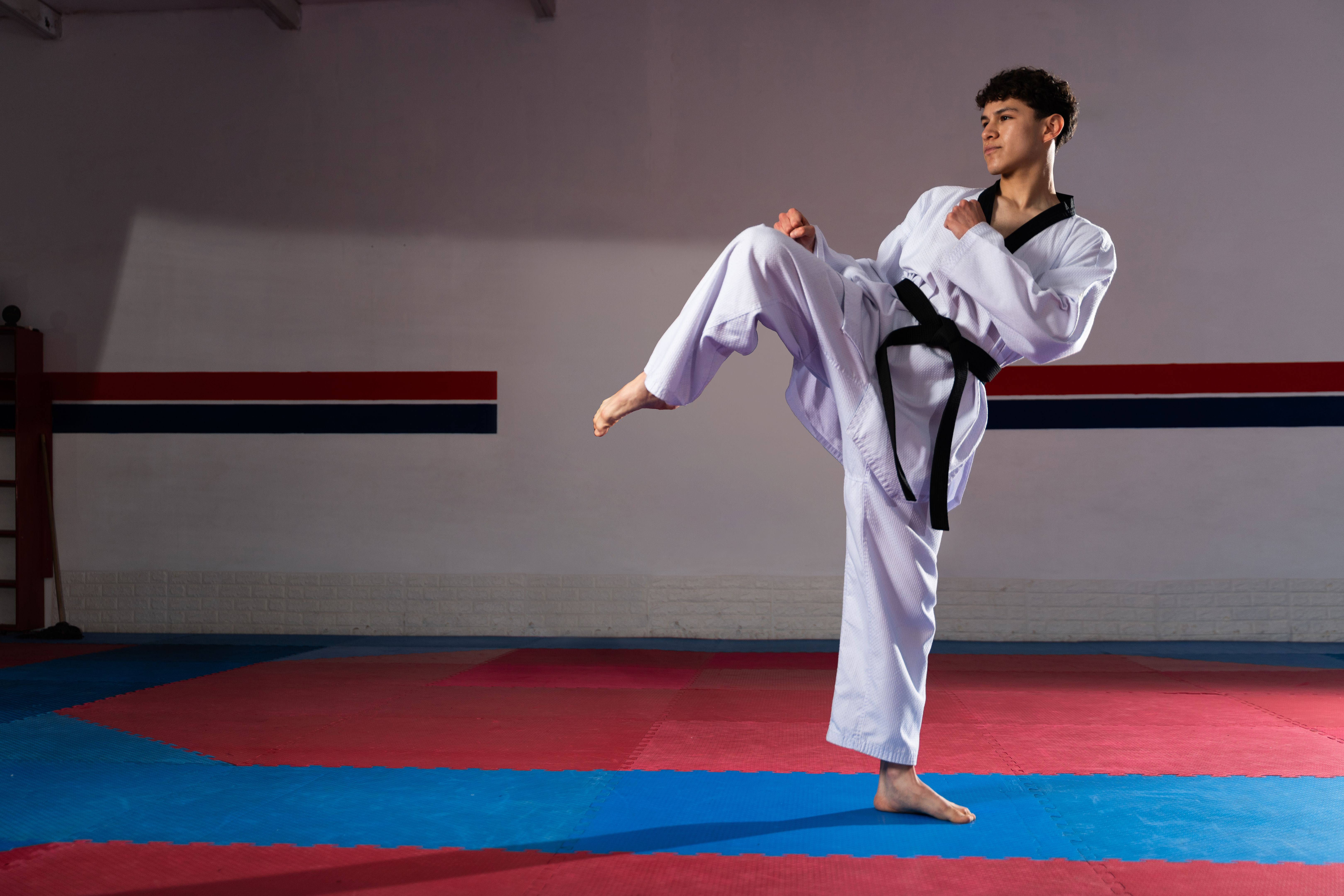
Misconception 1: Traditional Martial Arts Are Outdated
One widespread misconception is that traditional martial arts are outdated and ineffective compared to modern fighting styles. However, this couldn't be further from the truth. Many traditional martial arts, such as Karate, Judo, and Taekwondo, have proven their effectiveness time and again. They focus on technique, discipline, and mental fortitude, which are crucial elements in any form of self-defense.
Moreover, these arts are continually evolving, incorporating modern techniques and training methods. This adaptability ensures they remain relevant and effective in today's world.
Misconception 2: Martial Arts Are Only for Fighting
Another common belief is that martial arts are solely about fighting and aggression. In reality, traditional martial arts emphasize personal growth, self-discipline, and respect. Students learn to focus their energy and develop a strong sense of inner peace. This holistic approach promotes physical health, mental well-being, and emotional balance.
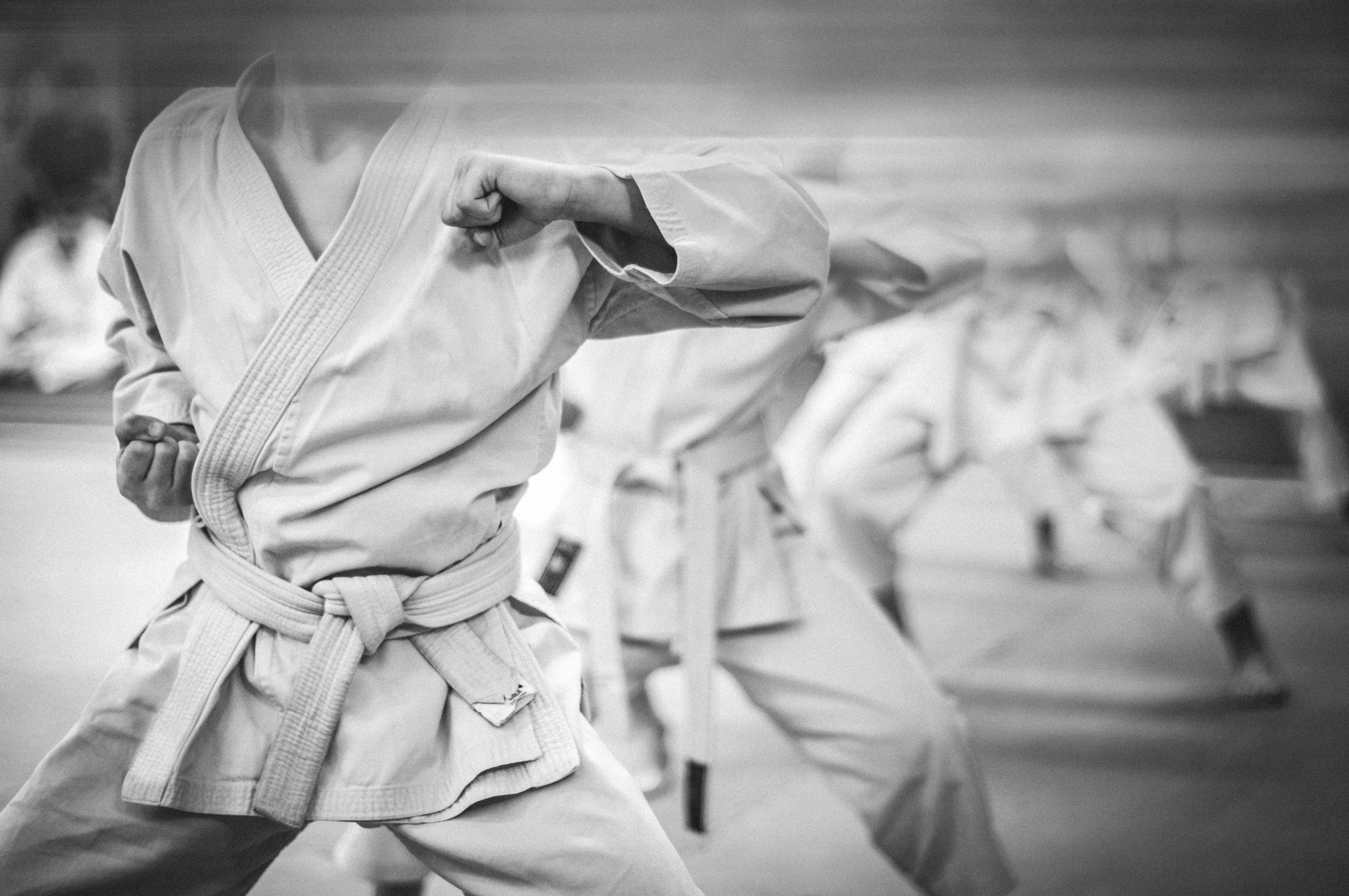
Misconception 3: Only the Young and Fit Can Practice
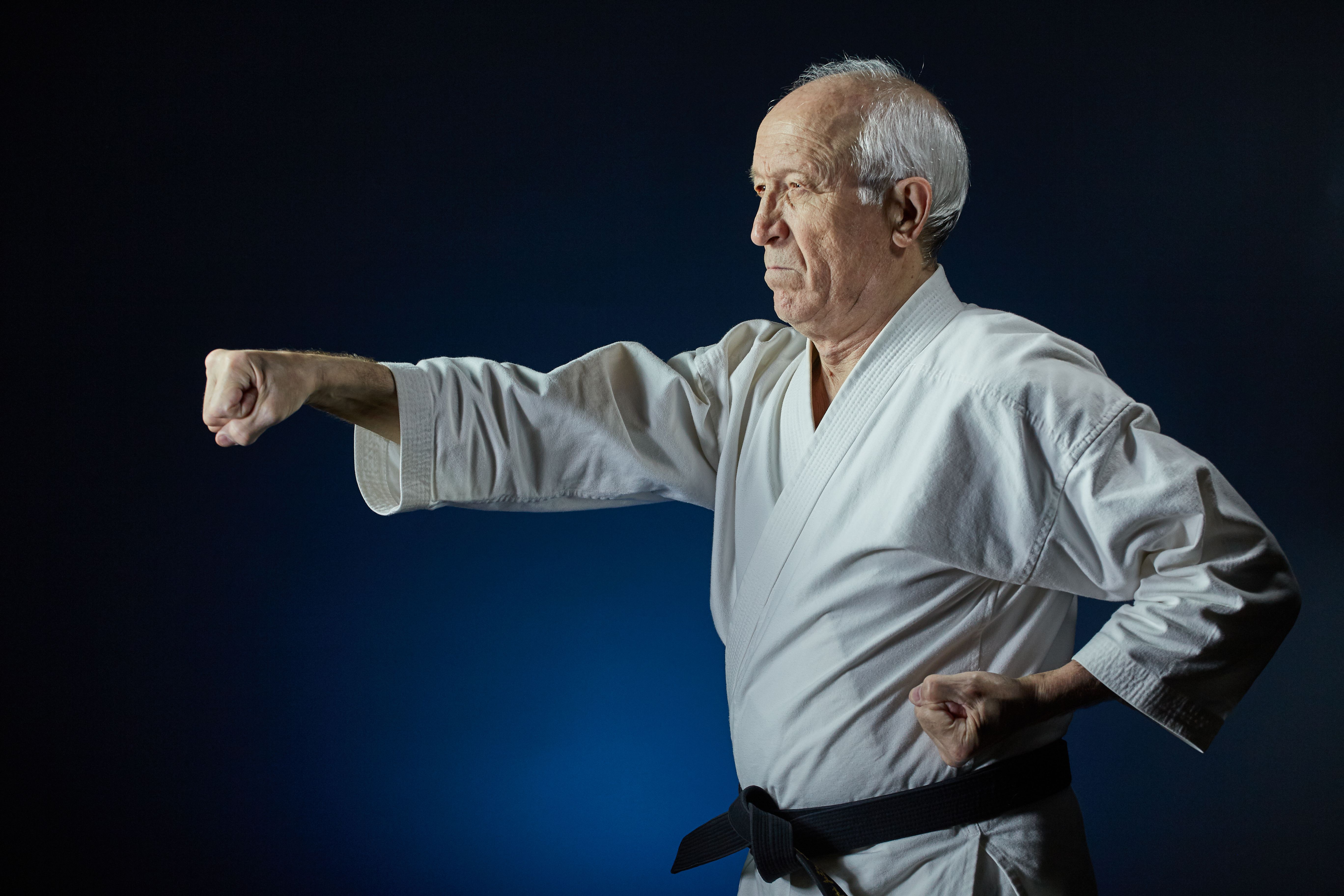
It's often assumed that martial arts are only suitable for young, fit individuals. In fact, traditional martial arts are accessible to people of all ages and fitness levels. Many schools offer classes tailored to different age groups and abilities, ensuring everyone can benefit from the practice. The focus is on gradual improvement and personal development rather than competition.
Practicing martial arts can enhance flexibility, strength, and coordination, making it an excellent activity for maintaining health and vitality at any age.
Misconception 4: Martial Arts Are Only for Men
There's a lingering stereotype that martial arts are predominantly male-oriented. However, women have been practicing and excelling in martial arts for centuries. Today, many women find empowerment and confidence through martial arts training. The discipline offers a supportive community where everyone, regardless of gender, can thrive and achieve their personal goals.
Women martial artists have shattered stereotypes and become influential figures in the martial arts world, inspiring others to follow in their footsteps.
Misconception 5: You Must Have a Natural Talent
Many believe that natural talent is a prerequisite for excelling in martial arts. While some individuals may have an innate ability, success in martial arts is primarily a result of dedication, practice, and perseverance. The journey is about consistent effort and learning from failures, making it accessible to anyone willing to put in the work.
Ultimately, traditional martial arts are about self-improvement. They teach valuable life skills that extend beyond the dojo, encouraging practitioners to become the best version of themselves.