
Debunking Common Myths About Traditional Karate Training
Understanding the Essence of Traditional Karate
Traditional karate is often misunderstood due to widespread myths and misconceptions. These myths can deter potential students from experiencing the true benefits of this martial art. In this post, we'll debunk some of the most common myths associated with traditional karate training.
Myth 1: Karate Promotes Violence
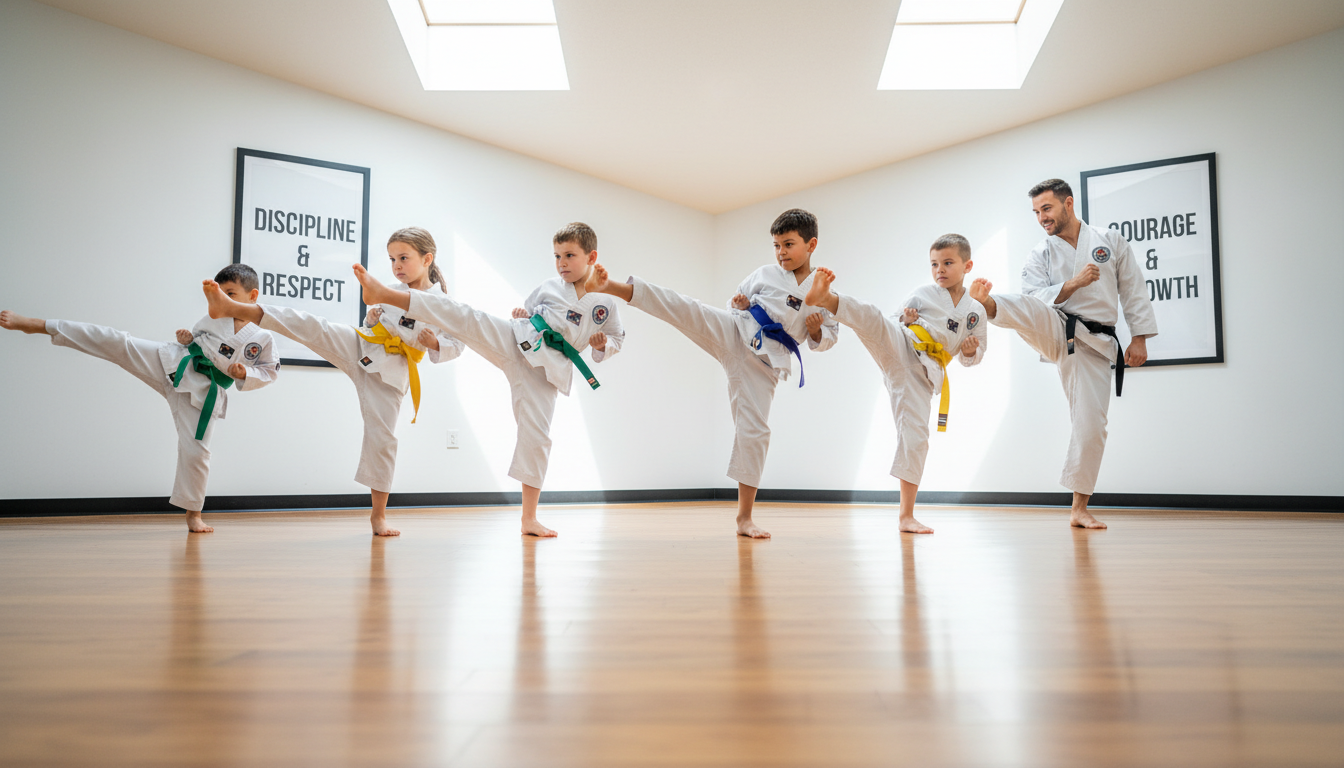
A common misconception is that karate encourages violent behavior. In reality, traditional karate emphasizes discipline, respect, and self-control. It teaches practitioners how to avoid conflict and use physical techniques only as a last resort. The focus is on personal development and peaceful living.
Karate instructors instill values of humility and respect for others, which are integral to the practice. Students learn to harness their energy positively, cultivating both mental and physical strength.
Myth 2: Karate Is Only for the Young and Fit
Another myth is that karate is suited only for young, athletic individuals. However, traditional karate is accessible to people of all ages and fitness levels. The training is adaptable, allowing each student to progress at their own pace.
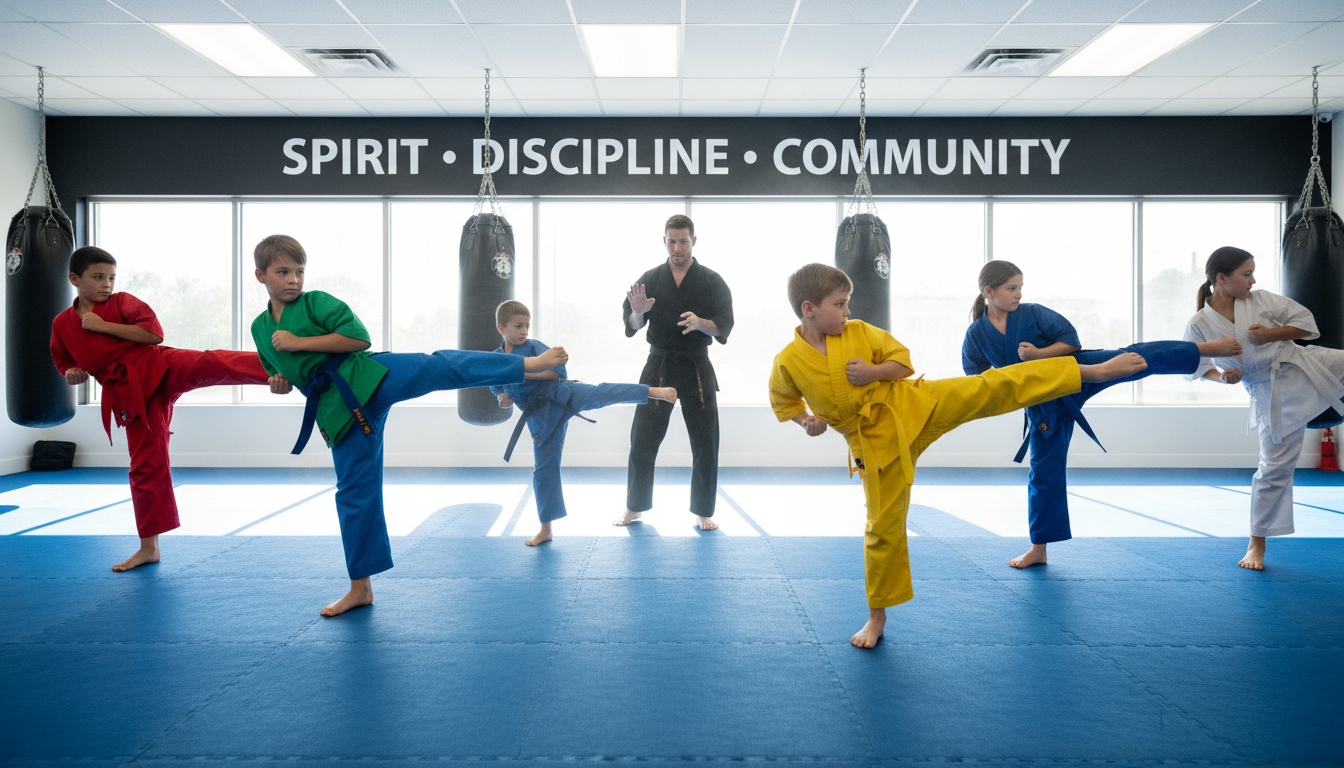
Many dojos offer classes specifically tailored for different age groups, ensuring that everyone can benefit from the practice. The focus on flexibility, balance, and strength makes it a suitable activity for anyone looking to improve their physical health.
Myth 3: Karate Lacks Practicality in Real-Life Situations
Some believe that traditional karate has no practical application in real-world self-defense. This is far from the truth. Karate training includes a variety of techniques that are effective in real-life situations, such as strikes, blocks, and evasive maneuvers.
- Developing situational awareness
- Improving reflexes and response time
- Practicing realistic self-defense scenarios

Myth 4: Karate Is Just Physical Exercise
While karate does provide an excellent physical workout, it is also a mental discipline. Practitioners engage in meditation and mental exercises to enhance focus and concentration. This mental training is crucial for mastering techniques and achieving higher belt ranks.
The mental benefits of karate extend beyond the dojo, helping individuals manage stress, improve concentration, and build resilience in everyday life.
Myth 5: Karate Is Stuck in the Past
Some perceive traditional karate as outdated or rigid. However, traditional karate continues to evolve while respecting its roots. Instructors often integrate modern training methods and insights to enhance the learning experience.
This blend of tradition and innovation ensures that karate remains relevant and effective for contemporary practitioners, keeping the art alive and thriving.